
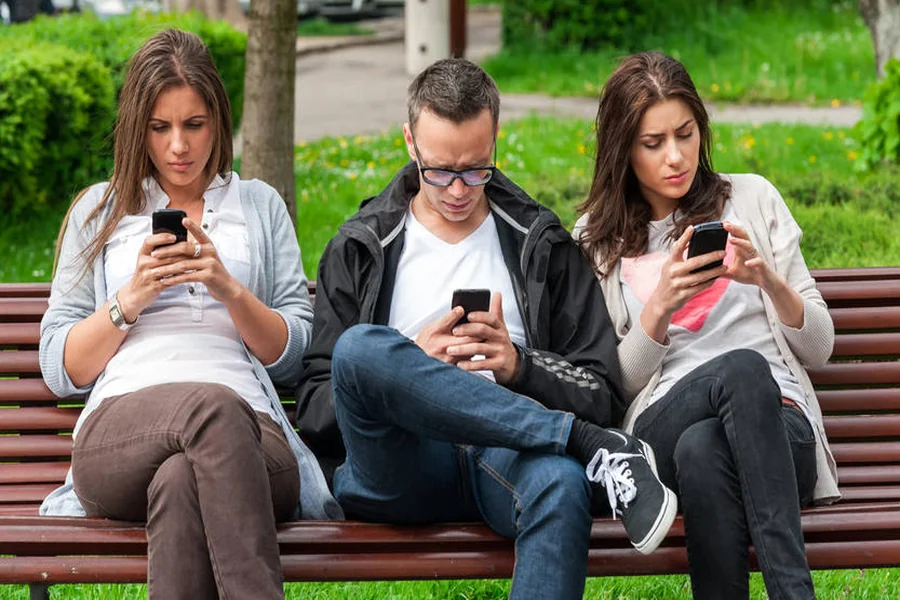
The “Touch Grass” Movement and Offline Reality
The phrase “touch grass” started as a dismissive insult on platforms like Twitter and TikTok. When someone posted a hyper obsessive or out of touch opinion, other users would tell them to “touch grass,” meaning they needed to disconnect from the internet and experience the real world. However, this slang phrase has evolved into a genuine cultural movement. People are recognizing that spending twelve hours a day scrolling through digital feeds is detrimental to their mental health. The command to “touch grass” is now a self directed goal for many young adults who want to rebuild their offline lives.
This shift in mindset is driving a massive increase in outdoor, real world activities. Instead of arguing in comment sections, people are organizing weekend hikes, park picnics, and community cleanups. They are actively seeking environments where screens are secondary to physical presence. The digital slang provided the necessary wake up call, highlighting the absurdity of living entirely online. It created a collective awareness that the physical world offers a richness and depth that digital platforms cannot replicate.
The “touch grass” mentality also changes the types of activities people pursue. They are moving away from highly curated, Instagrammable events and toward messy, authentic experiences. A muddy hike or a casual neighborhood basketball game is now considered more valuable than a VIP club night. The focus is on the physical sensation of the activity and the genuine interaction with other people, rather than the digital content that can be extracted from it.
Furthermore, this trend is reviving the concept of the “third place.” A third place is a social environment separate from the two usual social environments of home and the workplace. Coffee shops, local parks, and community centers are seeing a resurgence in popularity. People are using these spaces to hang out without a specific agenda, simply enjoying the presence of others in a physical setting. The slang that told them to log off is directly responsible for this return to traditional community spaces.
Ultimately, the “touch grass” phenomenon proves that internet culture is capable of self correction. When digital life becomes too intense and disconnected from reality, the language of the internet itself provides the push needed to bring people back to the physical world.
“IRL” and the Rise of Intentional Gatherings
The acronym “IRL” stands for “In Real Life.” While it has existed since the early days of the internet, its usage has surged recently. People use “IRL” to distinguish physical events from digital interactions, signaling a clear preference for the former. Saying “let’s meet IRL” is a statement of intent. It means you value the connection enough to invest the time and energy required for a physical meeting. This intentionality is reshaping how people organize their social calendars.
The desire for IRL experiences has led to a boom in tools designed to facilitate physical gatherings. Instead of relying on chaotic group chats, people are using structured platforms. For instance, utilizing a dedicated event organizer app makes it incredibly simple to plan a local meetup, invite friends, and coordinate logistics. These tools remove the friction from planning, ensuring that the desire to meet IRL actually translates into a physical event.
This intentionality is also changing the nature of friendships. During the pandemic, many people realized they had dozens of online friends but very few people they could call for a physical coffee date. The push for IRL meetings is an effort to convert weak digital ties into strong physical bonds. People are willing to travel across the city or even across the country to meet someone they have only known through a screen. The digital connection serves as the introduction, but the IRL meeting cements the relationship.
Moreover, IRL gatherings are becoming more structured and activity based. People are not just meeting to sit and talk; they are meeting to do things together. Book clubs, running groups, and pottery classes are thriving because they provide a clear purpose for the physical meeting. The activity serves as an icebreaker, making the transition from online chat to offline conversation much smoother and less awkward.
The resurgence of IRL is a rejection of the idea that digital communication is an adequate substitute for physical presence. People are realizing that body language, tone of voice, and shared physical space are essential components of human connection. The slang acronym serves as a constant reminder that the most meaningful parts of life happen away from the keyboard.
“FOMO” Evolving From Digital to Physical
“FOMO,” or the Fear Of Missing Out, is a powerful psychological driver. For years, FOMO was primarily a digital phenomenon. People felt anxious when they saw their friends posting pictures of a party or a vacation on Instagram. They were afraid of missing out on the digital content and the social status associated with it. However, the nature of FOMO is changing. It is shifting from a fear of missing digital clout to a fear of missing genuine physical experiences.
People are realizing that watching a livestream of a concert is not the same as feeling the bass in your chest while surrounded by a crowd. Seeing pictures of a dinner party does not replicate the taste of the food or the sound of the laughter. This realization is pushing people to prioritize attendance over observation. They want to be in the room where it happens, rather than watching it through a screen.
This physical FOMO is driving attendance at local events and community gatherings. When someone hears that their neighborhood is hosting a block party, they are more likely to attend because they do not want to miss the shared physical experience. The value is placed on the memory created, not just the picture posted. This shift is incredibly healthy for local communities, as it encourages active participation rather than passive consumption.
Furthermore, physical FOMO is changing how people document their lives. The trend of “photo dumps” or posting blurry, unedited pictures is a direct result of this shift. People want to prove they were present and enjoying the moment, rather than spending twenty minutes posing for the perfect shot. The focus is on the authenticity of the physical experience, and the digital documentation is secondary.
The evolution of FOMO demonstrates a maturing relationship with social media. People still use these platforms to discover what is happening, but the ultimate goal is physical participation. The fear of missing out is no longer about digital relevance; it is about the very real human need for shared experiences and physical connection.
“Vibe Check” and the Importance of Physical Energy
The phrase “vibe check” is used to assess the emotional atmosphere of a person or a situation. On social media, a vibe check might involve analyzing a confusing tweet or a strange video. However, the concept of a vibe check is fundamentally rooted in physical presence. You cannot truly assess the energy of a room or the mood of a person through a screen. The need for accurate vibe checks is driving people to meet face to face.
When you meet someone in real life, you pick up on thousands of micro expressions and nonverbal cues that are invisible online. You notice how they hold their shoulders, how they make eye contact, and how they react to unexpected situations. This physical information is crucial for building trust and understanding. A digital conversation can easily mask a person’s true intentions, but a physical meeting provides a much more accurate assessment of their character.
This need for physical assessment is particularly evident in dating and professional networking. Dating apps are increasingly viewed as just the first step in a much longer process. People want to move from the app to a physical date as quickly as possible to perform a vibe check. They know that a great text conversation does not always translate into physical chemistry. The same applies to professional networking. A LinkedIn connection is useful, but a physical coffee meeting is where real business relationships are forged.
The concept of the vibe check also applies to physical spaces. People are seeking out environments that have a specific, positive energy. They want to go to a cafe that feels welcoming, or a park that feels vibrant and alive. This desire for good vibes is driving the popularity of curated physical events and community spaces. People are willing to pay for experiences that guarantee a positive, engaging atmosphere.
Ultimately, the slang phrase “vibe check” highlights the limitations of digital communication. It acknowledges that human beings are physical creatures who rely on physical cues to navigate the world. By demanding physical presence to accurately assess a situation, this internet slang is actively encouraging people to step away from their screens and engage with the real world.
