
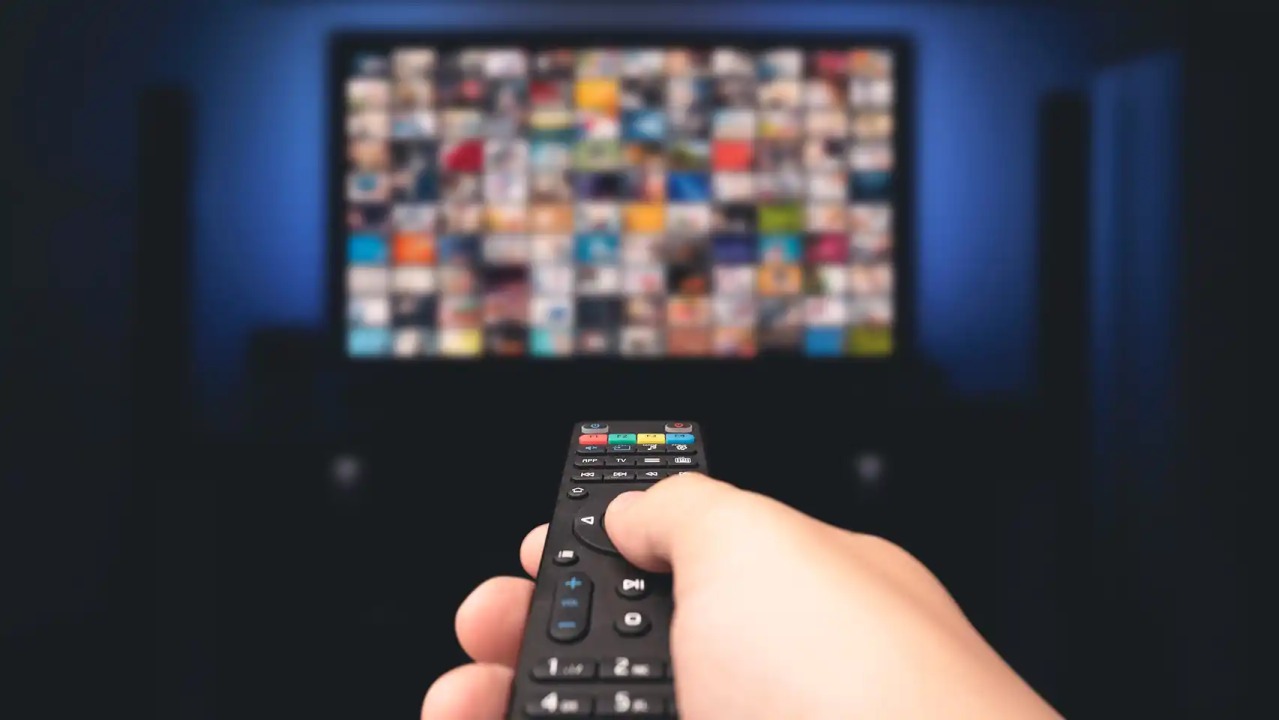
It is important to note that the entertainment industry has been experiencing quite an incredible change in the past twenty years, which is due to the emergence of streaming platforms. There is little doubt that the medium through which we view entertainment has transformed significantly between an unintegrated media contents that were heavily skewed towards cable and satellite television and physical media to a system that sees streaming sites that host an indiscernible library of content that is accessible on-demand. Here we will take a look at how streaming technology is transforming the entertainment sector and how the future of media consumption is likely to change.
The Birth of Streaming Platforms
Streaming platforms have a history tracing back in the late 1990s and early 2000s at a time when technology is just starting to meet the demands of people who wanted to access media digitally. The initial prominent streaming ushered in was the introduction of streaming sites such as RealNetworks and Napster which provided file sharing. The first of the pioneers enabled users to access and share media files on the internet. Nevertheless, the true game changer was in 2007 when the DVD rental company became an online streaming service under the name of Netflix.
The decision of Netflix to stream their content was a game changer. Netflix also transformed the way media was consumed and gave subscribers a chance to watch movies and TV shows timely via the internet. That way, other streaming services such as Hulu, Amazon Prime Video, and Disney+, to name a few, eventually followed suit and the streaming revolution was indeed realized. Streaming services have grown into a multi-billion-dollar industry today and are quickly changing how content is produced, disseminated, and used.
The End of Traditional TV and Cable
Prior to streaming, the most popular method of entertainment consumption through television was through traditional TV/cable. Television watchers had to fit into stringent schedules defined by television networks and waited until their much awaited shows started to be aired at a particular time. Also, cable television was associated with a series of secret charges, long term contracts and minimal content selection. Such a system of enjoying media proved limiting, even in a world that was getting more interconnected and on-demand.
The streaming services have nullified a lot of these limitations. By having a monthly subscription, clients have the option of accessing a great library of work at their own comfort without necessarily having to wait till a particular time of the day or their location. Needless to say, the factors behind the success of streaming services are many fold including but not limited to binge-watching a full season of a show over the weekend or watching a movie in transit.
In addition, the move towards the non-traditional TV has been enhanced by the emergence of the cord-cutting. The customers have been hopping out of cable television and seeking its internet-based alternatives. In line with new research, it has been noted that the households using the traditional cable TV are decreasing gradually as streaming services multiply. This transition is especially evident in more youthful generations, to whom streaming platform features of immediacy is more preferable to the scheduling required of traditional television.
Global Accessibility and Content Diversity
Among the greatest benefits of the streaming platforms is the fact that they have been made accessible to the entire world. Streaming services can be reached by people all around the world unlike the traditional TV networks which used to be limited in most cases to one geographical location. Having permanent access to the internet, you can access the same library of content no matter which continent you are in be it the U.S., Europe, or Asia. This world coverage has transformed the consumption of media especially the international audience.
Several other more different content in streaming platforms also exists. Streaming services such as Netflix, Amazon Prime Video, and Hulu have spent a lot in creating original content and their titles appeal to various tastes and interests. This has given rise to the production of radical shows, movies and documentaries, which would have been hard, in fact, impossible, to produce in the traditional media systems. As an illustration, Money Heist (La Casa de Papel), and Squid Game have become a worldwide hit, with millions of subscribers in many countries of the world, even though both are non-English-language television series.
The media consumption has become democratized through the ability of streaming platforms to provide content that suits various culture and regions. The availability of diverse content in various regions of the world to international audiences has been opened up and this was restricted to local markets earlier.
Personalized Viewing Experience
One more manner in which streaming websites are changing entertainment is personalization. Streaming services are very customized environments unlike in the traditional TV where the viewer had little control of what was available. Through the application of advanced algorithms, Netflix, Amazon Prime Video, and Hulu applications make recommendations regarding previously watched videos and preferences by genre and rating.
Such personalized suggestions assist users in finding new shows and movies that they could have not been recommended to. The amount of interaction a user has with the platform the narrower the suggestions appear. This extent of individualization generates a form of more captivating and fulfilling viewing experience where the users derive a sense that the content being shown fits perfectly to their interests.
There is also the fact that streaming channels have also invested in features that enable additional customisation. As an illustration, Netflix has enabled users to use one account and create different profiles to satisfy tastes and preferences of the user. The effect of this is that individual family members or roommates may watch alone without interfering to influence others in the recommendations.
Impact on Content Creation and Distribution
Streaming services are not just overhauling our consumption, but also transforming the production and distribution of content as well. The traditional media networks managed to follow a definite schedule where often the season of a show would appear once a year, and the movie had the definite pattern of release on the big screen followed by the time of its appearance at home. The streaming platforms have inverted this model.
The availability of streaming content in a continuous manner has already caused more original programming, so-called Netflix Originals or Amazon Originals, to be generated. They have become content creators as much as distributors, creating their own films, documentaries and TV series to commission and produce. This has given the creators more power to create shows and films that would not conform to the traditional networks.
Additionally, streaming services have enabled the quick worldwide spread of the material. The production of a show or film also means that it is now possible to make the content available worldwide to the audience nearly as quickly as it is created without having to wait months or years to release content overseas. This has increased the rate of distribution and the audiences have an earlier access of new content available.
The Growth of Niche Content and Subscription Fatigue
Even as mainstream-friendly streaming vendors such as Netflix, Disney+, and Amazon Prime Video dominate the streaming market, too, it is notable that niche streaming services are gaining traction. More niche services such as Shudder (a horror-focused streaming service), Criterion Channel (classic film focused) and even sport-specific services like ESPN+ are serving an ever-wider range of specific audiences with content that often goes overlooked by the more generalist streaming services.
Although this trend has the advantage of enabling more personalised content, it is one of the contributors to subscription fatigue. With more and more customers taking up several streaming services to view a variety of content, the subscriptions can mount rather quickly in cost. A lot of the audience would be forced to multi-task across multiple opportunities paying to subscribe to premium services or content that they are not likely to consume. To counter this, other streaming services are trying bundling of services or free ad-sponsored tiers as a way to alleviate the cost of subscription to subscribers.
The Future of Streaming
In perspective, the coming years will lead future streaming platform technologies into an innovative age of virtual reality (VR), augmented reality (AR), and artificial intelligence (AI). VR and AR will provide more immersive experiences in viewing and engagement with content as viewers will be able to do so in its entirety. To give an example, VR streaming would allow one to watch a concert or any other event in real-time but with a real environment where one has to fully submerge into the 360-degree user experience.
Meanwhile, AI will further help in personalizing content and it will be even more convenient with reference to making platforms recommend shows and movies that mark well with the specific preferences of the person. It may even use AI to make the content itself such as writing scripts and voice actors, opening the door to more new methods of entertainment.
Conclusion
There is no doubt that streaming media has transformed the entertainment world. They have disrupted historical models of media with on-demand, personalised watching, with democratisation of global content, along with enabling creators to create and distribute original content. With the ongoing development of technology, streaming platforms will be leading in the innovations sector and will present alternatives to enjoy and engage the entertainment. Although some pitfalls, such as subscription fatigue, are possible, the general trend most likely leads to the future of being able to enjoy a more connected, diverse, and engaging entertainment environment. Streaming has done more than transform the way that we consume TV or movies, it has transformed the concept of entertainment in its entirety.
