
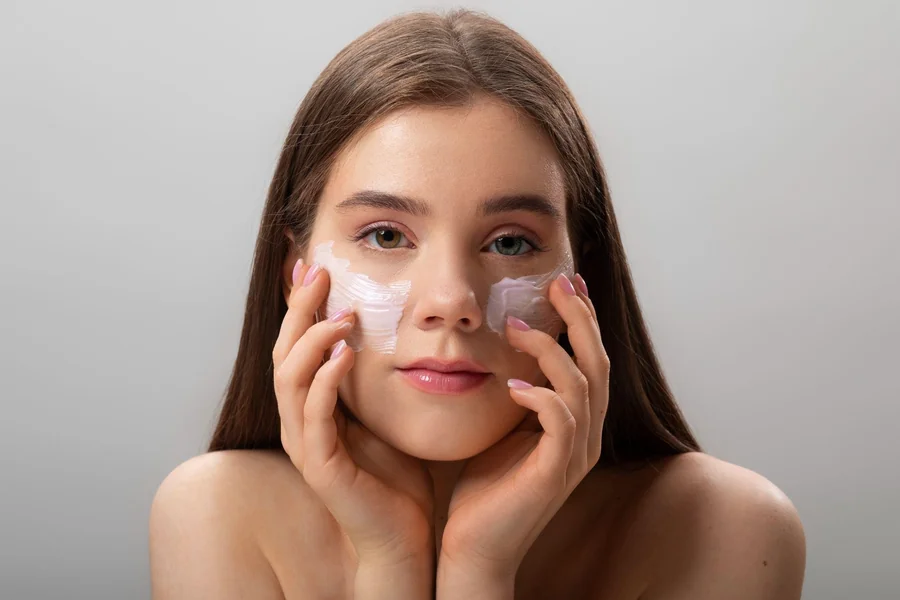
Finding the right sunscreen for oily skin can feel like a challenge. Many formulas leave a greasy residue, clog pores, or trigger breakouts—exactly what you’re trying to avoid. The good news is that modern formulations, especially gel sunscreen, are designed specifically to address these concerns while still offering strong sun protection. If you have oily or acne-prone skin, knowing what to look for in a sunscreen can make all the difference.
Why Sunscreen Matters for Oily Skin
Regardless of your skin type, sunscreen is non-negotiable. Sun exposure can lead to premature aging, hyperpigmentation, and even increase oil production due to dehydration. For oily skin types, skipping sunscreen can actually worsen shine and breakouts over time.
The key is choosing a product that protects your skin without adding excess oil or blocking pores.
Key Factors to Consider When Choosing Sunscreen for Oily Skin
1. Oil-Free and Non-Comedogenic Formulas
One of the first things to check on the label is whether the sunscreen is oil-free and non-comedogenic. Oil-free formulas prevent that heavy, greasy feel, while non-comedogenic products are specifically designed not to clog pores.
Clogged pores are a major cause of acne, so this feature is essential if your skin is prone to breakouts.
2. Lightweight Texture (Gel-Based is Best)
Texture plays a huge role in how sunscreen feels on your skin. Thick creams can sit heavily on oily skin, making it look shinier and feel uncomfortable.
This is where gel sunscreen shines. Gel-based formulas are:
- Lightweight and fast-absorbing
- Non-greasy
- Often water-based
They provide a matte or semi-matte finish, making them ideal for daily use, especially in hot and humid climates.
3. Matte Finish or Oil-Control Properties
Look for sunscreens labeled as:
- Matte finish
- Oil-control
- Sebum-regulating
These formulations often include ingredients that absorb excess oil and reduce shine throughout the day. This is particularly helpful if you struggle with midday greasiness.
4. Broad-Spectrum Protection
Always choose a sunscreen that offers broad-spectrum protection, meaning it shields your skin from both UVA and UVB rays.
- UVA rays: Cause premature aging and pigmentation
- UVB rays: Cause sunburn
For daily use, opt for SPF 30 or higher. If you spend extended time outdoors, SPF 50 is a safer choice.
5. Look for Skin-Friendly Ingredients
Certain ingredients work particularly well for oily skin. Keep an eye out for:
- Niacinamide: Helps regulate oil production and soothe inflammation
- Zinc Oxide: A mineral filter that is gentle and often suitable for acne-prone skin
- Silica: Absorbs excess oil and gives a matte finish
Avoid heavy emollients and pore-clogging ingredients like coconut oil or thick butters.
6. Water-Based Formulas
Water-based sunscreens are another excellent option for oily skin types. These formulas hydrate the skin without making it greasy.
They’re especially useful if your skin is oily but also slightly dehydrated—a common but often overlooked condition.
7. Sweat and Humidity Resistance
If you live in a warm or humid environment, your sunscreen should be able to withstand sweat. Look for water-resistant or sweat-resistant formulas to ensure longer-lasting protection.
However, remember that no sunscreen is completely sweat-proof—you’ll still need to reapply every 2–3 hours.
8. Non-White Cast Formulation
Some sunscreens, especially mineral ones, can leave a white cast on the skin. While this isn’t harmful, it can be cosmetically unappealing.
Many modern gel and chemical sunscreens are designed to blend seamlessly into the skin, leaving no visible residue.
Ingredients to Avoid for Oily Skin
When shopping for sunscreen, try to avoid:
- Heavy oils (like mineral oil in high concentrations)
- Thick, occlusive creams
- Artificial fragrances (can irritate acne-prone skin)
These can worsen oiliness and increase the likelihood of breakouts.
Tips for Applying Sunscreen on Oily Skin
Even the best sunscreen won’t work effectively if not applied correctly. Here are a few tips:
- Apply sunscreen as the last step of your skincare routine
- Use about two fingers’ worth for your face and neck
- Wait a few minutes before applying makeup
- Reapply every 2–3 hours, especially if you’re outdoors
If layering feels heavy, consider using a sunscreen spray or powder for touch-ups.
Final Thoughts
Choosing the right sunscreen doesn’t have to be complicated. For oily skin, the goal is to find a formula that offers strong protection without adding shine or clogging pores. Lightweight, oil-free options—especially gel sunscreen—are often the best choice.
By focusing on non-comedogenic ingredients, matte finishes, and breathable textures, you can protect your skin daily without compromising comfort. The right sunscreen for oily skin will not only shield you from harmful UV rays but also help maintain a balanced, healthy complexion.
