In a world becoming more inclusive by the day, understanding gender diversity has moved from niche awareness to essential cultural competence. One term gaining clarity, usage, and recognition is gender fluid.
Whether you’re a professional, educator, parent, or simply a thoughtful individual aiming to respect identity, it’s vital to understand what gender fluidity truly means in 2025—beyond outdated definitions and oversimplified social media posts.
This article presents the most up-to-date, advanced-level explanation of gender fluid meaning, developed with 2025 cultural insight and psychological context.
You’ll learn how it differs from similar terms, how to use it respectfully, and how it reflects a deeply human experience of identity. We’ll also discuss how to communicate around the topic with politeness, clarity, and emotional intelligence.
What Does Gender Fluid Mean in 2025?
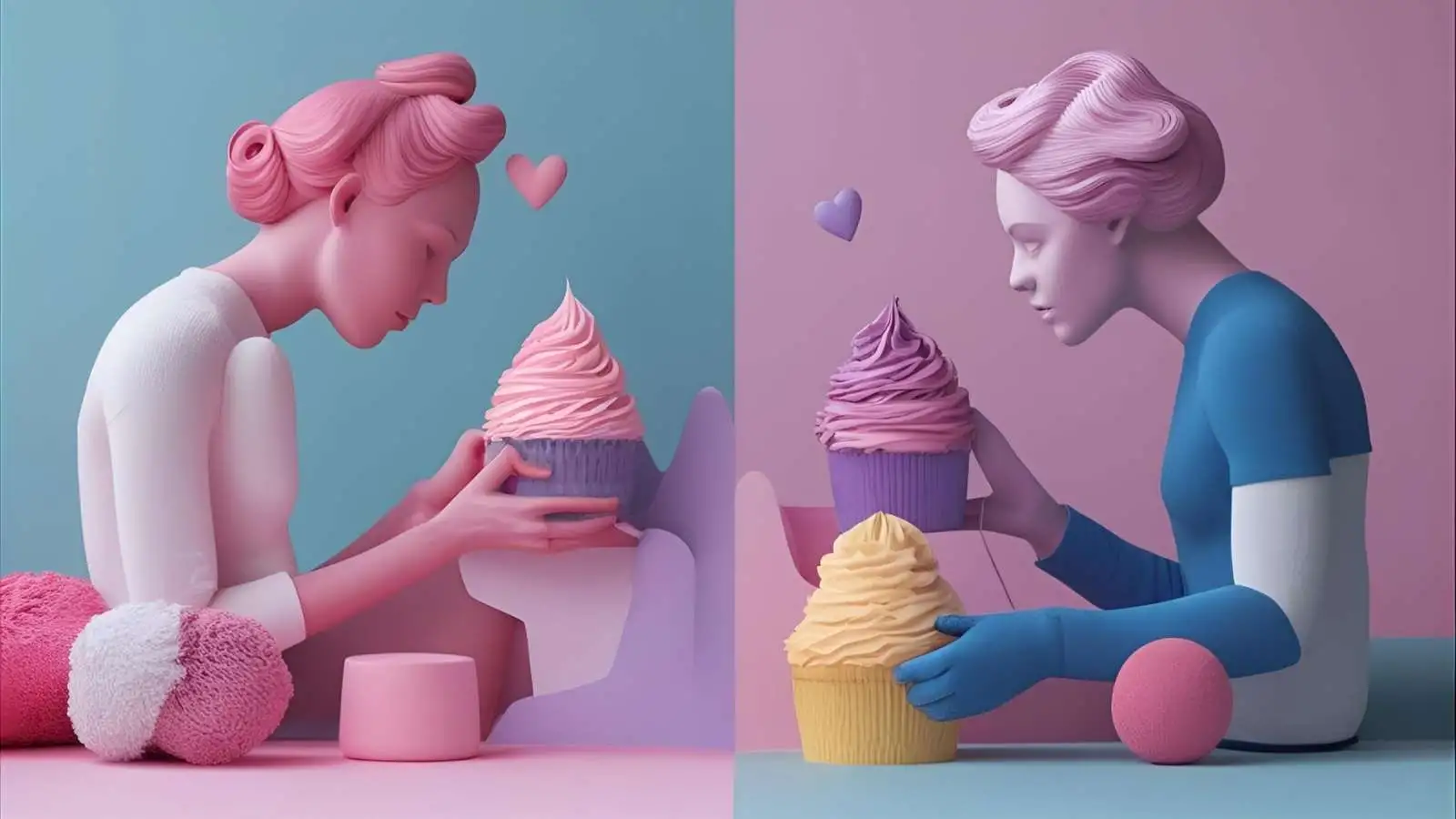
Gender fluid refers to a gender identity or expression that may change over time or shift depending on context.
A gender fluid person might identify as male, female, both, neither, or a different gender entirely at different times. These shifts are not necessarily tied to biological sex, appearance, or external presentation.
???? Key Insight (2025 Update):
In 2025, the understanding of gender fluidity has evolved to include both intentional and intuitive shifts. Some gender fluid individuals experience daily or even hourly transitions, while others may feel aligned with a particular gender for months or years before change emerges naturally. The term now encapsulates a broader spectrum of emotional and psychological fluidity, not merely a set of behaviors.
Origin of the Term ‘Gender Fluid’
The phrase gender fluid emerged in LGBTQ+ communities in the early 2000s, but its roots can be traced to indigenous and historical cultures that recognized non-binary or dual-spirit identities long before modern labels existed.
In recent years, the term has gained mainstream recognition, and platforms like LinkedIn, Instagram, and Apple have incorporated gender fluid options in profiles, further validating the identity in professional and digital spaces.
Is Gender Fluid the Same as Nonbinary?
No. While both terms fall under the non-cisgender umbrella, they are not interchangeable.
- Nonbinary is an umbrella term for any gender identity that doesn’t fit strictly into “male” or “female.”
- Gender fluid specifically refers to the movement between gender identities.
???? Example:
A nonbinary person might always identify as neither male nor female, while a gender fluid person might identify as female one day, nonbinary another, and male on a different day.
Gender Identity vs. Gender Expression
It’s critical to understand that gender identity is how someone feels internally, while gender expression is how they present themselves externally.
A gender fluid person might choose:
- To express as feminine today and masculine tomorrow
- Or maintain a neutral appearance while their internal identity shifts
The fluidity lies in the internal identification, though outward expression may or may not follow.
How to Respectfully Talk About Gender Fluidity
Using respectful and inclusive language is essential in all contexts—social, academic, or professional. When discussing gender fluid individuals or using terms related to gender identity:
✅ Do:
- Ask for preferred pronouns
- Use “they/them” if you’re unsure
- Respect when someone says their gender has changed
- Be open-minded, even if it’s new or unfamiliar to you
❌ Don’t:
- Say “it’s just a phase” – it’s dismissive
- Assume someone is confused
- Ask invasive questions (e.g., about someone’s body)
Real-Life Example (2025 Scenario)
Jay, a 26-year-old UX designer, identifies as gender fluid. Some days, Jay introduces themselves with he/him pronouns and dresses in suits. Other days, Jay prefers she/her and wears skirts and makeup.
Most days, Jay opts for they/them and a neutral look. Jay’s identity is not a performance—it’s a reflection of a deeply personal and fluid internal experience that deserves respect, not judgment.
Polite, Professional & Casual Alternatives to “What’s Your Gender?”
Sometimes you need to ask about gender identity—for inclusive surveys, healthcare, or respectful conversation. Here are 10 refined, respectful alternatives, categorized by tone and context:
1. “How do you identify your gender, if you’re comfortable sharing?”
✅ Polite & Professional
This phrasing is excellent for workplace settings or academic forms where you wish to be inclusive and respectful.
2. “Which pronouns do you use?”
✅ Neutral & Inclusive
This is a direct but respectful way to understand someone’s identity without asking about gender directly.
3. “Is there a way you’d prefer I refer to you?”
✅ Gentle & Contextual
Perfect for introductions or meetings. It’s conversational and keeps focus on respect.
4. “Would you like to share your preferred name and pronouns?”
✅ Professional and Detailed
Useful on job applications, onboarding forms, or healthcare intake documents.
5. “Do you identify with a specific gender?”
✅ Clinical/Healthcare Context
This is respectful in contexts that require sensitive and specific data, like therapy sessions or medical consultations.
6. “Are there terms or identifiers you prefer I use when speaking about you?”
✅ Polite and Flexible
Helpful when dealing with biographies, profiles, or media mentions.
7. “How would you like to be addressed?”
✅ Simple & Universal
Great for both formal and informal interactions—especially if you’re unsure about honorifics (Mr., Ms., Mx., etc.).
8. “Are there any identifiers you’d like to include?”
✅ Form-based and Efficient
Appropriate for digital form fields or social registration tools.
9. “Would you be comfortable sharing how you currently identify?”
✅ Sensitivity-Focused
This signals that the question is optional and respectful of boundaries.
10. “Let me know how I can be respectful in how I refer to you.”
✅ Empathetic & Human
One of the best casual yet powerful statements that reflects empathy and adaptability.
What It Means to Be Gender Fluid in Daily Life (2025 Insights)
???? Mental Health
Gender fluid individuals often face mental stress due to societal misunderstanding or lack of accommodation. However, growing awareness in 2025 has led to:
- More inclusive mental health frameworks
- Specialized therapy programs
- Tools like gender expression journals and identity apps
???? In the Workplace
Many companies now have:
- Gender-neutral restrooms
- Flexible dress codes
- Pronoun training modules
- Transition policies that account for fluid identities, not just binary transitions
???? In Education
2025 curricula now include:
- Nonbinary and gender fluid case studies
- Inclusive sex education
- Teachers trained in gender-sensitive language
Common Misconceptions (Debunked in 2025)
❌ Myth: Gender fluid people are just indecisive.
✅ Truth: Gender fluidity is a valid identity, not a lack of decision. Identity can be complex and evolving.
❌ Myth: All gender fluid people look androgynous.
✅ Truth: Expression is personal. Some dress consistently, others shift. It’s not a visual identity.
❌ Myth: They’re just “doing it for attention.”
✅ Truth: This belief stems from ignorance or bias. Authentic identity exploration is often deeply personal and private.
Why Language Around Gender Matters in 2025
Language shapes perception. In 2025, gender-inclusive language isn’t just “woke”—it’s smart, empathetic, and socially responsible.
- Companies using inclusive language see increased retention and diverse hiring.
- Schools with inclusive policies report lower bullying rates and higher student engagement.
- Personal relationships benefit from clarity, trust, and emotional safety.
Final Thoughts:
The understanding of gender fluidity is no longer a “fringe” or niche idea—it’s an essential part of modern society’s fabric.
From everyday language to corporate policy, from dating apps to academic textbooks, recognizing and respecting fluid identities is the ethical and enlightened path forward.
If you’ve made it this far in the article, you’re already part of the change. Continue learning, growing, and respecting the richness of human identity—because gender, like life, isn’t meant to be boxed in.
